

5 engaging end-of-year activities
As the end of the academic year approaches in many countries, including Spain, English teachers are facing the challenge of keeping their students motivated.
This time of year can be exhausting for both teachers and students alike, as everyone is looking forward to the summer break. But with a little creativity and preparation, English teachers can ensure that their classes remain engaging and productive until the very end.
Summer break, please?
So if you’re one of those teachers in a country that finishes the academic year in June, you’ve probably noticed that your students are starting to feel more fatigued, maybe exhibiting signs of irritability, decreased motivation, and difficulty focusing in class.
They may also experience physical symptoms of stress, such as headaches and stomachaches. It’s important for teachers to recognize these signs and take steps to help their students manage their stress and finish the school year on a positive note.

By providing fresh and engaging activities, incorporating movement and mindfulness into the classroom, and encouraging self-care, teachers can help their students recharge and prepare for the new academic year.
So, what can you do to inject some fun and excitement into your English lessons?
Well, it all starts with a bit of creativity and a willingness to try new things. So, come join us on a journey to discover some exciting activities that can be incorporated into your classroom, leaving your students begging for more (not for a break).
1. Passion projects
Instead of snoozing through another boring lecture, give your students the chance to dive into something they’re truly passionate about.
This could be anything from creating a short film to building a robot to researching the latest trends in fashion. The possibilities are endless! Not only will this ignite their creativity, but it will also allow them to take the reins and showcase their unique talents.
For example, maybe you have a student who loves photography. Encourage them to create a photo essay or even a mini-exhibit that captures their vision and tells a story. Who knows, they may even inspire the next generation of photographers!

-
Scavenger hunts
Imagine your students exploring the school grounds or even the local park, working together in pairs or small groups to complete challenges and solve puzzles related to the English language.
For example, you could create a scavenger hunt where students must use their knowledge of grammar and vocabulary to complete each task. They might need to find and photograph examples of different verb tenses, or search for synonyms and antonyms in the school library.
You get to set the rules and tasks that best fit your English class and curriculum content. The most important thing is to make sure that your students have fun while learning.
Not only are scavenger hunts a engaging way to review key concepts, but they also promote teamwork and critical thinking skills. So get creative, plan your hunt, and watch your students’ enthusiasm and energy levels soar as they race to solve each clue!
-
Debate Day
Divide your students into two teams and let the sparks fly as they engage in a heated discussion over a controversial topic. It’s not just about being the loudest voice in the room, though.

Encourage your students to research and prepare their arguments ahead of time so that they can make informed and persuasive points. With structured rules and time limits, everyone will have a chance to shine.
This activity is perfect for helping your students develop their public speaking and critical thinking skills, and you can even adapt it to any subject area. For example, in an English class, you could have students debate the benefits and drawbacks of using digital devices for reading versus physical books.
-
Escape room
An escape room is a physical adventure game where participants are locked in a themed room and must solve a series of puzzles and challenges to escape within a set time limit. The room is usually designed to create an immersive experience, resembling a specific setting or scenario related to the theme of the game.
Participants work together as a team, using their problem-solving skills, logic, and creativity to uncover hidden clues, decipher codes, find keys, and unlock locks to progress through the room. The puzzles can vary in complexity, requiring players to think critically and communicate effectively to connect the pieces of the puzzle.
You can create a themed room that relates to the literature, grammar, or vocabulary you’ve covered in class. For example, if you’ve been studying a novel, you can create a room that resembles the setting of the story, with clues and puzzles related to the characters and plot. As a teacher, you can also include hints or guidance to make sure students are on the right track and learning as they go.
Overall, an escape room is a great way to review curriculum content in a fun and interactive way that keeps students engaged and excited about learning. Plus, it’s a break from the typical classroom routine and allows for some creativity and outside-the-box thinking.
-
Game day
To make Game Day a success, it’s important to select games that are relevant to the curriculum content and that challenge students to think critically.
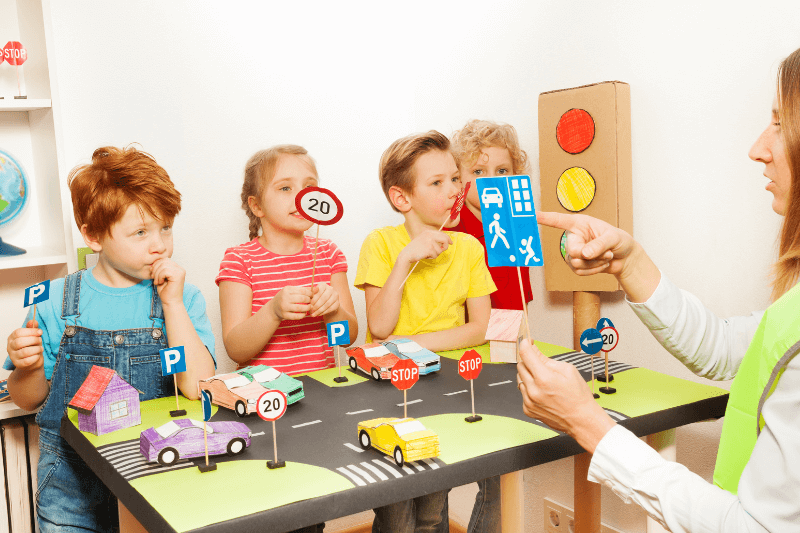
One example of a Game Day activity for an English learning lesson is the board game “Word on the Street.” In this game, students are divided into two teams and given a set of letter tiles.
The teacher presents a category, such as “Famous Authors,” and each team takes turns moving letters from their set of tiles to a central board to create words that fit the category. The team with the most words at the end of the game wins.
Game Day is a great way to keep students engaged and motivated, while also promoting learning and critical thinking. By incorporating games that relate to the curriculum content, teachers can ensure that students are having fun while also reinforcing important concepts and skills.
Whether it’s a board game, a physical activity, or an online simulation, Game Day can be tailored to any subject area and is a fun and effective way to teach and learn.
Bye bye school?
As the end of the academic year approaches, it’s time to shake things up and add some excitement to your English lessons! These engaging activities will keep your students motivated and asking for more, while also promoting critical thinking, problem-solving, and teamwork skills.
By incorporating the activities into your English lessons, you can help your students stay engaged and motivated until the very end of the academic year. Not only will they have fun, but they will also develop important skills that will serve them well in future academic and professional endeavors.
So, get ready to spice up your lessons and give your students an experience they will never forget!






Leave A Comment