

Some days you walk into the classroom full of energy, ready with a detailed lesson plan. Other days you have five minutes before class starts, your students look tired, and you need something engaging that works immediately.
This is when low-prep games save your life. These are activities that take almost no preparation, work with any level, and instantly wake up the room. They are simple, but they never fail to get students speaking, laughing, and learning without even noticing.
Here are five of the most reliable low-prep games you can use in any English class, with clear steps, reasons why they work, and tips to make them even more engaging.
1. The Line-Up Game
Preparation
This game needs almost nothing. Just space for students to move. You can play it in a classroom aisle, a courtyard, or even between desks.
How to Play
Tell students they must line up according to a category you choose.
Some examples:
-
Birthdays from January to December
-
Countries of origin from north to south
-
Height from tallest to shortest
-
Favorite foods from sweetest to saltiest
They cannot use their first language. They must speak in English to ask questions, negotiate, and decide where to stand.
Why It Works
This game forces natural communication. Students need to ask questions like:
-
When is your birthday
-
Where are you from
-
How tall are you
-
Do you like spicy food
It gets shy students moving. It gives talkative students a reason to speak. It creates instant energy in the room.
Make It More Engaging
Change the categories mid-way. Ask them to line up again under pressure. Add fun or funny categories like:
-
How awake you feel right now
-
How much you love homework
-
How many cups of coffee you need today
How to Check If It Worked
Look for:
-
Students speaking without waiting for permission
-
Laughter and small disagreements about positions
-
Clear use of target language
A quick reflection at the end also helps. Ask:
-
What questions did you use
-
What was difficult
-
What new vocabulary did you hear
2. Two Truths and One Lie
Preparation
None. The only thing you need is your students and a bit of imagination.
How to Play
Each student thinks of three statements about themselves. Two are true, one is false. They read the statements and the class guesses the lie.
Example:
-
I have three brothers.
-
I have visited Japan.
-
I hate chocolate.
Students ask questions to discover the lie.
Why It Works
It trains:
-
Question formation
-
Listening skills
-
Follow-up questions
-
Intonation for surprise or doubt
It creates curiosity because students love discovering things about their classmates.
Make It More Engaging
Add themes like:
-
Travel
-
Childhood
-
Food
-
Dreams for the future
Or add a time limit. Students must guess within one minute.
How to Check If It Worked
Notice if students:
-
Use complete questions instead of one-word guesses
-
Give detailed follow-up questions
-
Show interest in classmates’ stories
If the class starts laughing or reacting naturally, your speaking skills section worked.

3. Find Someone Who
Preparation
Create a list of 10 to 15 prompts. This takes one minute and can be written on the board.
Examples:
-
Find someone who has a pet
-
Find someone who can cook
-
Find someone who has visited more than three countries
-
Find someone who woke up early today
How to Play
Students walk around the room asking each other questions. When they find someone who matches a prompt, they write the student’s name. The first to finish wins.
Why It Works
This game encourages repetition, but in a natural way. Students must ask the same question many times, which builds confidence and fluency.
It also works well for new groups because it helps students learn names and small facts about each other.
Make It More Engaging
Add a rule: they cannot repeat the same classmate more than twice. This forces them to talk to everyone.
You can also add challenge prompts such as:
-
Find someone who has met a celebrity
-
Find someone who can whistle loudly
-
Find someone who knows a tongue twister
How to Check If It Worked
Ask students at the end:
-
Who did you talk to the most
-
What was the most surprising fact you learned
-
Which question was hardest to ask
If students answer quickly and spontaneously, you know the activity created real communication.
4. The One-Word Story
Preparation
Zero. You only need your students in a circle.
How to Play
Students create a story one word at a time. Each student adds one new word as fast as possible.
For example:
Student 1: Yesterday
Student 2: I
Student 3: saw
Student 4: a
Student 5: giant
Student 6: chicken
The story becomes funny very quickly, which keeps everyone engaged.
Why It Works
This game builds:
-
Vocabulary recall
-
Sentence structure awareness
-
Spontaneous speaking
-
Listening concentration
It works with all levels because even beginners can add simple words like “and,” “but,” or “the.”
Make It More Engaging
Create a genre:
-
Horror
-
Comedy
-
Fairy tale
-
Mystery
Or let students act out the story once it is finished.
How to Check If It Worked
Notice if students:
-
Stay alert and listen to each other
-
Use quick reactions
-
Produce a story that makes sense or makes everyone laugh
Ask them afterward:
-
Was it harder to listen or harder to speak
-
Which part of the story surprised you
5. Speed Questions
Preparation
Prepare 10 to 15 simple conversation questions. You can write them on the board or give them on slips of paper.
Examples:
-
What is your favorite snack
-
What was your best holiday
-
Do you prefer mornings or nights
-
If you could live anywhere, where would you go
How to Play
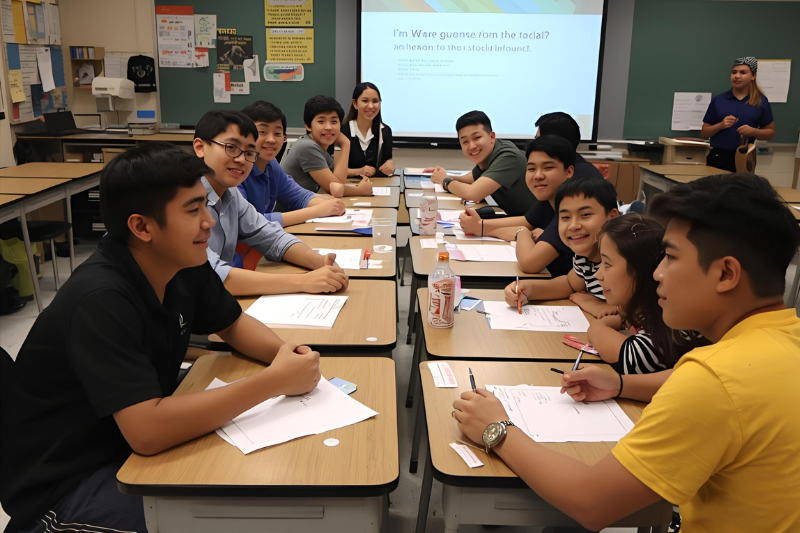
Students form two circles, one inside and one outside, facing each other. Each pair has 30 seconds to discuss the question. When the time ends, one circle rotates. New partner, new question.
Why It Works
This is one of the best fluency activities because students speak under gentle time pressure. The quick exchanges help remove fear of mistakes.
It also builds confidence for shy students because conversations are short and simple.
Make It More Engaging
Add a “mystery question” that students must invent themselves.
Allow students to vote for the most interesting answer they heard.
You can also play music for the timer to add energy.
How to Check If It Worked
Listen for:
-
Full sentences instead of one-word replies
-
Spontaneous follow-up questions
-
Natural reactions like “Really” or “Me too”
Ask students afterward:
-
Which question was the most fun
-
Who surprised you with their answer
-
Did you feel more confident at the end
Bringing It All Together
Low-prep games save time, reduce stress, and help students speak more than in a traditional lesson. They add movement, humor, and natural communication to the classroom.
The best part is that these activities work with any age or level, and you can adjust them in seconds. When you see students smiling, talking freely, and using English without fear, you know the game did its job.
Games do not replace teaching, but they make learning active, memorable, and joyful. And on those days when you feel tired or rushed, these five activities will always bring your classroom back to life.








Leave A Comment