
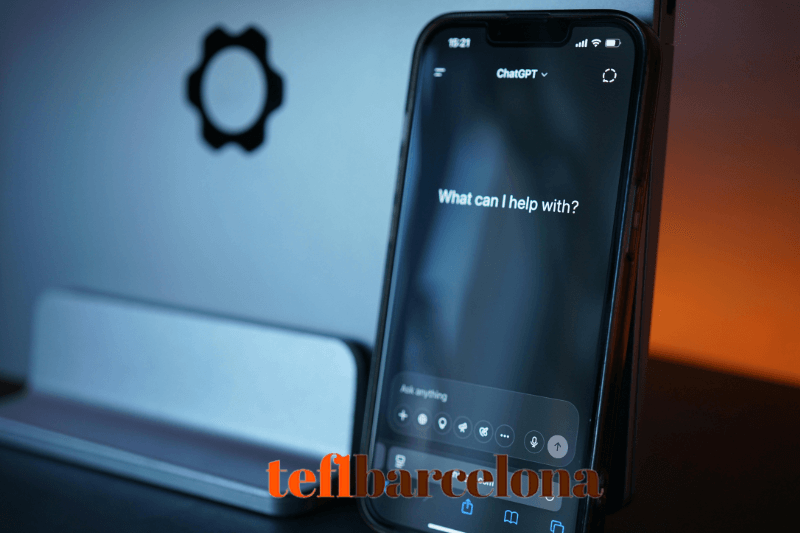
Technology is moving at a speed that feels almost dizzying. Every week, headlines announce a new artificial intelligence breakthrough: tools that write entire essays in seconds, apps that provide flawless translations, and platforms that can correct pronunciation with near-native accuracy. Professionals in many language-related fields are understandably worried. Translators wonder if their services will still be needed. Voice actors fear synthetic voices. Even editors and content writers see machines stepping into tasks that once required human expertise.
But what about English teachers? In a world where AI can generate dialogues, create grammar exercises, and give instant feedback, is there still space for TEFL teachers? Or are we on the brink of seeing classrooms run entirely by chatbots?
This question matters deeply to anyone considering teaching abroad or investing in a TEFL course in Barcelona. The reality is that AI is changing education, but instead of replacing teachers, it is reshaping what it means to be a great one.
The Rise of AI in Language Learning
Let’s face it: AI already has a strong presence in language education. Apps like Duolingo and Babbel have incorporated adaptive algorithms for years. More recently, AI-powered tools can simulate conversations, generate lesson activities, or even listen to student pronunciation and offer corrections. For learners, this can feel like magic, instant, personalized, and always available.
For teachers, though, these tools might seem like competition. If a student can use an app that answers questions 24/7, why would they need a teacher?
The truth is that AI excels at certain tasks: drilling vocabulary, giving quick grammar explanations, or offering pronunciation practice. But language learning is far more than repeating phrases or memorizing structures. Real progress requires motivation, cultural understanding, emotional connection, and adaptability, areas where human teachers shine.
What Teachers Bring That AI Cannot Replace
Here’s the core of the issue: teaching is not just about transferring knowledge. It is about guiding, motivating, and inspiring students. Let’s break it down:
-
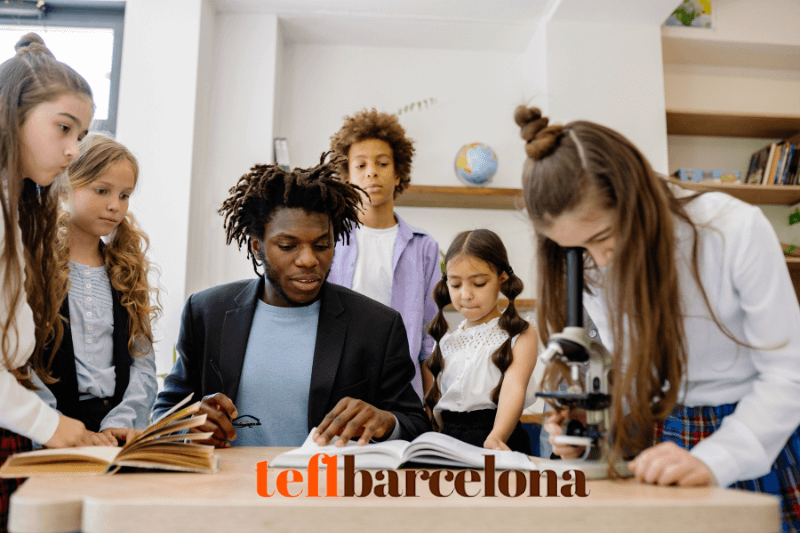
Human connection – A teacher can sense when a student feels discouraged, adapt their tone, and provide encouragement. No algorithm can replicate that empathetic bond.
-
Cultural context – AI can explain idioms, but it cannot share personal anecdotes about living in Spain or navigating real-life situations abroad. Students crave those insights.
-
Adaptability – In a classroom, things rarely go according to plan. A teacher can turn a mistake into a teachable moment, improvise a new activity, or use humour to break tension.
-
Critical thinking – Teachers help students not just use language, but think in it. They foster debates, challenge perspectives, and encourage creativity.
These elements show why teachers are not at risk of disappearing. If anything, their role is becoming even more important in guiding students through a world overflowing with digital tools.
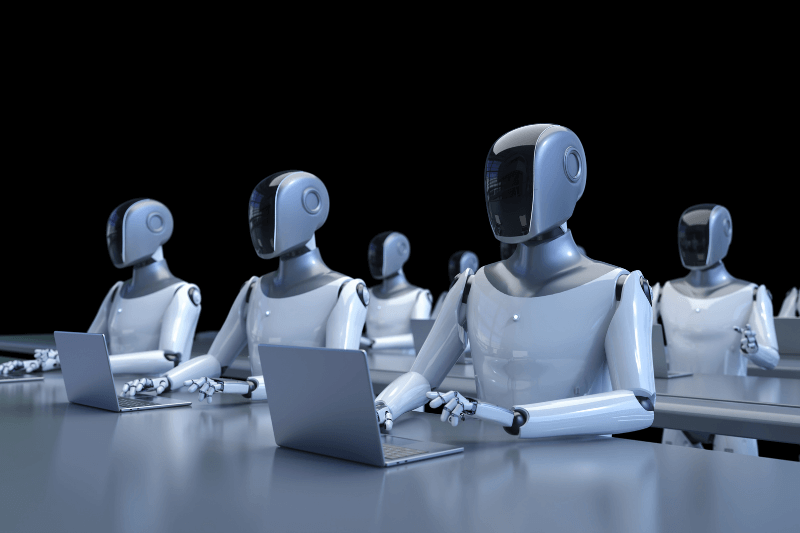
How Teachers Can Use AI to Their Advantage
Instead of seeing AI as competition, TEFL teachers can treat it as an ally. The best teachers will know how to combine their expertise with technology to create richer experiences for their students. Here are some practical ways:
-
Lesson planning with AI
AI tools can suggest warm-up questions, generate vocabulary lists, or even draft grammar exercises. This saves teachers hours of preparation time, freeing them to focus on delivery and interaction. -
Homework support
Instead of students doing endless worksheets, teachers can recommend AI-powered apps for practice. For example, students might use a chatbot to simulate a travel conversation or practice ordering in a restaurant. The teacher can then discuss the experience in class. -
Personalized learning
Students have different strengths and weaknesses. AI can help identify gaps, maybe pronunciation for one student and grammar accuracy for another, while the teacher builds targeted activities. -
Feedback loop
Teachers can ask students to submit short writing assignments first checked by AI. This allows class time to focus on higher-level corrections, discussions, and style rather than spelling errors.
In other words, AI can take care of the repetitive, mechanical tasks, while teachers concentrate on what truly makes a difference: connection, creativity, and confidence-building.
The Teachers Who Will Thrive in the Age of AI
One thing is clear: not all teachers will be equally prepared for this future. Those who simply repeat textbook content risk being overshadowed by apps that can do the same faster and cheaper. The teachers who will stand out are the ones who:
-
Embrace technology instead of avoiding it
-
Develop strong classroom management and rapport-building skills
-
Offer cultural and practical insights that no app can replicate
-
Bring creativity and flexibility into their lessons
This is where training becomes crucial. A solid TEFL course does not just teach grammar rules. It equips teachers with the skills to manage a classroom, engage students, and adapt to new tools and methods.
Why TEFL Barcelona Graduates Will Be Ready
At TEFL Barcelona, for instance, the training goes far beyond theory. Yes, you will study the foundations of language teaching, but you will also practice teaching real students, get feedback, and learn to adjust your lessons on the spot. That kind of hands-on experience is exactly what separates a qualified teacher from someone relying solely on online resources.
When AI enters the classroom, schools will be looking for teachers who can combine the best of both worlds: integrating technology while still offering the uniquely human side of teaching. TEFL Barcelona prepares its graduates to do just that.
Should Teachers Be Worried?
So, back to the big question: should TEFL teachers be worried about AI?
The answer is no, at least not if they are willing to adapt. AI is not here to take over classrooms, but to enhance them. The future of teaching will not be about competing with technology, but about guiding students to use it wisely, while offering the emotional and cultural support that only humans can provide.
In fact, we may even see the demand for well-trained teachers increase. As more students use AI tools for self-study, they will realize the limits and turn to teachers for deeper learning. Schools and language academies will want professionals who understand both the pedagogy of teaching and the possibilities of technology.

Looking Ahead
The future of TEFL is not teacher versus machine. It is teacher plus machine. Those who ignore AI may struggle, but those who embrace it will thrive. The key is to see AI not as a threat but as a tool: one that helps teachers save time, personalize lessons, and keep students engaged outside the classroom.
Ultimately, students will always seek guidance, encouragement, and human connection. And those are things AI cannot provide.
That is why the most qualified teachers, the ones with strong training, hands-on practice, and a mindset of adaptability, will continue to stand out. If you are considering a TEFL career, choosing a program like TEFL Barcelona ensures you will not only survive in this new landscape but truly excel.




Leave A Comment