
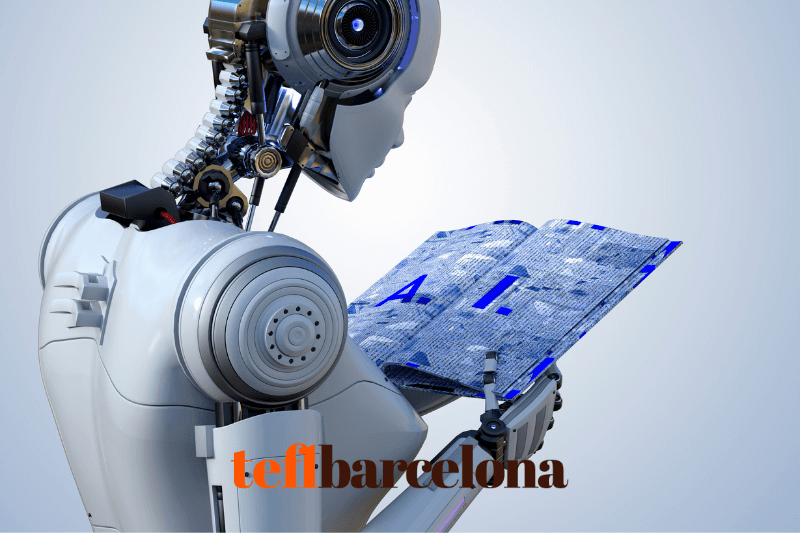
The world has been changing rapidly, and one of the biggest drivers of this change is Artificial Intelligence (AI). We see it all around us – in smartphones that predict what we want to text, in online shopping recommendations, and in virtual assistants like Siri or Alexa. AI is also making its way into fields that once seemed distant from technology, such as education.
In particular, the impact of AI on Teaching English as a Foreign Language (TEFL) is growing every day, creating new opportunities for both teachers and students. From automating routine tasks like grading or lesson planning to providing personalized feedback for students, AI is reshaping what it means to teach and learn English.
This doesn’t mean AI is here to replace teachers—in fact, it’s quite the opposite. AI is here to improve what teachers already do, making their jobs easier and more efficient while allowing them to focus on what really matters: connecting with their students and delivering high-quality lessons.
For those already in the field of TEFL or considering a career in teaching English abroad, understanding how AI is transforming the classroom can be both exciting and necessary. With the growing demand for personalized learning and digital tools, teachers who are aware of the potential of AI can improve their teaching methods, engage students more effectively, and make better use of their time.
At the same time, students are becoming more tech-savvy, expecting teachers to integrate modern tools into their lessons. Keeping up with these trends can give you an edge in the classroom and make your lessons more engaging and relevant.
That said, while AI can certainly improve the TEFL classroom experience, it’s also important to be aware of the challenges and limitations. Like any tool, AI should be used thoughtfully. It’s crucial to strike a balance between technology and the human touch that is so essential to teaching.
In this article, we’ll explore how AI is shaping the TEFL world – how it can help teachers, what tools are available, and what the future might look like. We’ll also take a closer look at some of the potential downsides and why AI, despite its benefits, should always be seen as a support tool rather than a replacement for teachers.
The Role of AI in TEFL

In the field of TEFL, AI is not here to replace teachers. Instead, it provides valuable tools that can support teachers, making their job easier and lessons more effective. AI can handle repetitive tasks, offer personalized learning experiences for students, and provide real-time feedback. This allows teachers to focus more on teaching and less on administrative or routine tasks.
The introduction of AI into the TEFL classroom is changing the way teachers interact with students. By using AI tools, teachers can personalize lessons, assess students’ progress more easily, and even offer more support to students who need it.
Benefits of AI for TEFL Teachers
AI tools provide several key benefits for teachers in the TEFL field:
Time-saving:
AI can automate repetitive tasks such as creating quizzes or correcting grammar, allowing teachers to focus on more important aspects like student engagement.
Personalized learning:
AI can analyze student data and help teachers adjust lessons to meet individual student needs. This ensures that no student is left behind, and everyone gets the help they need.
Instant feedback:
AI-powered tools can provide immediate feedback to students on their work, helping them correct mistakes right away. This also reduces the teacher’s workload when it comes to marking assignments.
Data insights:
With AI, teachers can easily track a student’s progress over time and identify areas where they might be struggling. This data-driven approach helps teachers make more informed decisions about lesson planning and student support.
Disadvantages and Challenges of AI in TEFL
While AI offers many advantages, it also comes with some challenges. Here are a few things to consider:
Over-reliance on Technology:
There’s a risk that teachers might become too dependent on AI tools, leading to less personal interaction with students. It’s important to remember that AI is a tool, not a replacement for the teacher’s role in guiding, mentoring, and motivating students.
Lack of Human Touch:
While AI can provide immediate feedback, it lacks the human empathy and understanding that students often need. TEFL teaching is about building relationships with students, understanding their emotions, and encouraging them—things AI can’t do.
Cost and Accessibility:
Some AI tools come with a cost, which might be a barrier for teachers working in schools with limited resources. Additionally, not all students may have access to the technology needed to use AI-powered learning tools.
Potential Job Insecurity:
There’s a concern that as AI becomes more advanced, it could replace certain teaching tasks or roles. However, AI should be seen as a tool to help teachers rather than something that will take away jobs. Human interaction and judgment are essential in teaching, and AI cannot replace those skills.
The Future of AI in the TEFL Classroom
Despite these challenges, AI has a bright future in the TEFL world. As technology continues to improve, AI will likely play an even bigger role in classrooms, making it easier for teachers to manage their lessons and provide students with the personalized support they need.
The good news is that AI can help teachers focus on what really matters—connecting with students, guiding them through their learning experiences, and helping them reach their full potential. AI is already making classrooms more efficient and dynamic, and in the future, it will likely take on even more administrative tasks, giving teachers more time to engage with their students.
Additionally, AI tools can help bridge language barriers in multicultural classrooms, making it easier for students from different language backgrounds to learn English. The technology will continue to evolve, bringing new opportunities for both teachers and students.
AI Tools for TEFL Teachers
While tools like Duolingo are great for students, TEFL teachers also need AI tools that can help them create better lessons and manage their classrooms effectively. Here are some AI-powered tools specifically designed to help TEFL teachers:
1.-Teachermatic:
This AI tool helps teachers generate lesson plans based on specific topics, levels, and student needs. By automating the planning process, Teachermatic saves teachers time and ensures that lessons are tailored to their students.</li>
2.- Quillionz:
Quillionz is an AI-powered tool that helps teachers create quizzes, tests, and assessments based on the content they upload. This can be particularly helpful w
hen creating review materials or checking students’ understanding of a lesson.
3.- Edpuzzle:
This tool uses AI to turn any video into an interactive lesson. Teachers can add questions, track students’ engagement, and get insights into their understanding. This is especially useful for online or blended learning environments.
4.- Google Classroom with AI Add-ons:
Google Classroom offers AI integrations to help teachers manage assignments, provide instant feedback, and track student performance. The system also allows teachers to monitor student progress more effectively.
5.- Canva for Education:
While Canva is known for design, its AI features allow teachers to quickly create visually appealing presentations, worksheets, and educational content. Canva for Education is designed with teachers in mind, providing templates and easy tools to enhance lesson materials.

Preparing for the Future: TEFL Training and AI Integration
As AI becomes more common in TEFL, it’s important to remember that teaching is still about human connection. At TEFL Barcelona, we believe technology should assist, not replace, the bond between teachers and students. Our courses focus on giving you the teaching skills you need while integrating AI tools, so you’re prepared for today’s changing classrooms.
Whether you’re new to teaching or want to improve your skills, our TEFL courses in Barcelona offer practical experience, small class sizes, and career support. As AI shapes education, the need for teachers who can use these tools while keeping the human element strong continues to grow.
Our programs prepare you for this future, whether you’re teaching in Spain or anywhere else.






Leave A Comment