
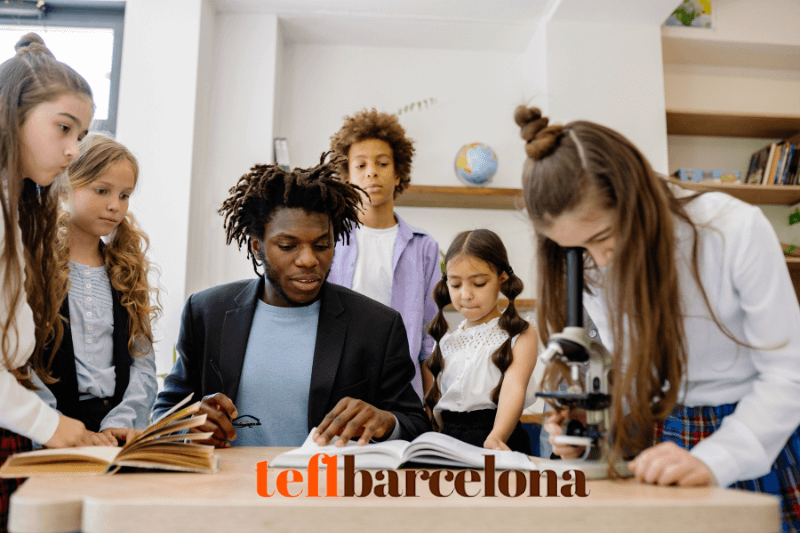
For many people, the idea of living abroad starts as a vague daydream. Maybe it begins with scrolling through photos of colorful streets somewhere in Europe, watching travel videos late at night, or imagining what life might feel like in a completely different culture. The thought appears quietly at first. What if I could actually live somewhere else for a while?
Then reality usually interrupts. Work commitments, lack of opportunities, visas, and the big question that always follows: what would I even do there?
For thousands of people every year, teaching English becomes the answer to that question. And interestingly, one of the most common ways new teachers begin this path is by working with children.
At first this idea can sound intimidating. A classroom full of energetic kids might seem like a recipe for chaos. Many people picture noise, constant movement, and the feeling of losing control within the first five minutes. Yet once teachers step into that environment, the experience tends to feel completely different from what they imagined.
Teaching young learners abroad often turns into one of the most enjoyable, dynamic, and surprisingly rewarding parts of a TEFL career.
Why So Many English Teachers Work With Children
Across the world, language schools receive a large number of enrollments from families who want their children to learn English early. Parents see English as a key skill that can open doors later in life, so they often start language education when kids are still very young.
Because of this, schools constantly need teachers who can work with young learners.
For someone entering the TEFL world, this creates a huge advantage. Instead of competing only for adult classes, new teachers suddenly have access to many more opportunities. Language academies, after school programs, summer camps, and international schools all run courses designed for children.
In places like Spain, South Korea, Thailand, and many parts of Latin America, teaching children is actually one of the most common roles for new English teachers.
What surprises many people is that these classes rarely feel like the school experiences they remember from childhood. Young learners do not sit silently for an hour copying grammar exercises from a board. The classroom feels more alive than that.
Lessons usually involve games, storytelling, movement, pictures, role play, songs, and activities that keep students engaged. Teachers quickly discover that energy in the room is not necessarily a problem. It often becomes the thing that makes the class fun.
The Skills Teachers Develop Very Quickly
Working with young learners pushes teachers to become creative very fast. Children respond strongly to tone of voice, facial expressions, and enthusiasm. If a teacher looks bored, students lose interest almost immediately. If the teacher brings energy and curiosity into the classroom, the atmosphere changes instantly.
This forces teachers to experiment with different ways of presenting language.
Instead of long explanations, teachers learn to show meaning through actions, visuals, and simple examples. A teacher might act out a verb, draw something quickly on the board, or turn vocabulary practice into a small game. Children learn best when they can interact with the language rather than simply listen to it.
This environment helps teachers develop several valuable skills.
Classroom management becomes stronger because teachers learn how to guide groups with clear instructions and structure. Communication becomes clearer because explanations must remain simple and direct. Creativity grows because lessons need to stay engaging.
Many teachers later realize that these skills become incredibly useful when teaching adults as well.
Why Children Often Learn Faster Than Adults
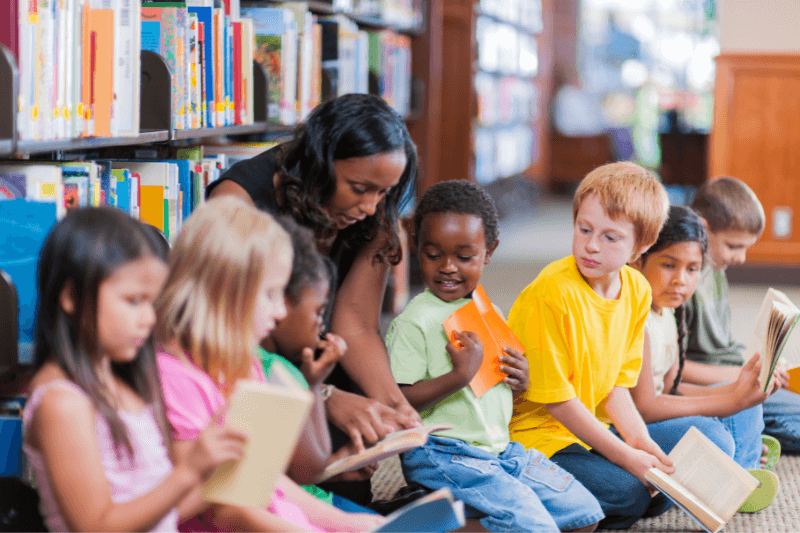
Another interesting aspect of teaching young learners is the way children approach language learning.
Adults usually worry about making mistakes. They think carefully before speaking and often hesitate when they are unsure of the correct grammar. Children tend to behave differently. They try new words freely, experiment with sounds, and repeat phrases without overthinking.
This creates a learning environment where progress can feel surprisingly quick.
Kids absorb patterns naturally when they hear and use English regularly. A new song, game, or short dialogue can stay in their memory for weeks. Teachers often see students repeating phrases they heard during previous lessons without even realizing how much language they have already internalized.
Watching that process happen in real time can be one of the most satisfying parts of teaching.
A Typical Classroom With Young Learners
People who have never taught before sometimes imagine classrooms that feel overwhelming, but the reality often looks much more structured.
Lessons usually follow a rhythm that keeps students focused.
A teacher might start with a quick warm up activity to wake everyone up and review vocabulary from the previous class. This could be a simple guessing game, flashcard challenge, or short movement activity that gets students involved immediately.
After that, the lesson moves into new language. The teacher introduces words or expressions through pictures, objects, or short stories. Students repeat sounds, practice pronunciation, and start using the new vocabulary in simple interactions.
Later in the class, students might work in pairs, play a game, or complete a small challenge where they use English to solve something together. This helps reinforce the language in a natural way.
By the end of the lesson, students often leave the classroom laughing, talking, and repeating the new words they just learned.
For teachers, that moment can feel incredibly rewarding.
Teaching Kids Abroad Is Also a Cultural Experience
One of the most interesting parts of teaching children in another country is the cultural exchange that happens naturally in the classroom.
Children are curious. They ask questions adults might avoid. They want to know where you are from, what food you eat, what games children play in your country, and whether your hometown has beaches, mountains, or snow.
These conversations often lead to funny and memorable moments.
A teacher might suddenly find themselves explaining why people celebrate certain holidays, what animals live in their country, or why breakfast looks completely different somewhere else.
In many cases, students become equally interested in sharing their own culture. They proudly talk about local traditions, festivals, and family habits. Through these conversations, teachers gain a deeper understanding of the place where they are living.
Why Many Teachers Remember These Classes the Most
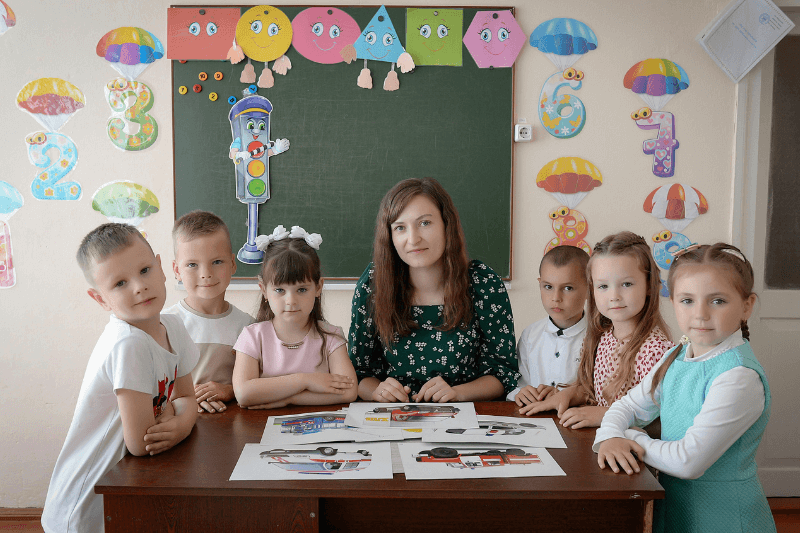
Years later, when teachers look back on their experience abroad, many of their strongest memories involve moments with young students.
It might be the child who proudly used a full English sentence for the first time. The class that could not stop laughing during a vocabulary game. The student who ran into the classroom excited to show the teacher a drawing or tell a story.
These small moments create connections that make teaching feel meaningful.
Young learners bring honesty and enthusiasm into the classroom. When they enjoy a lesson, their reaction is immediate and genuine. When they struggle, teachers can see the moment when understanding finally appears.
For many teachers, that transformation becomes the reason they continue teaching.
Starting This Journey With the Right Training
Even though teaching young learners can be incredibly fun, preparation still matters. A TEFL course with TEFL Barcelona gives future teachers the practical tools needed to manage a classroom, design engaging lessons, and understand how language learning works.
Training programs that include observed teaching practice can be especially valuable. Standing in front of real students, receiving feedback, and refining teaching techniques builds confidence very quickly.
Many new teachers arrive feeling nervous during their first lesson. By the end of the course, they often realize they are capable of far more than they initially expected.
In cities like Barcelona, this process becomes even more exciting. Teachers train in an international environment, meet people from different countries, and experience a vibrant city while learning the skills needed to start a teaching career.
For many graduates, the TEFL course becomes the first step in a journey that leads to classrooms across the world.
What begins as curiosity often turns into a completely new way of living and working.
And for a large number of teachers, that journey begins in a classroom full of energetic young learners discovering English one game, one story, and one laugh at a time.
by: Teacher Little Mary






Leave A Comment