
Learning a new language can always be daunting. It can be all about classrooms, grammar, tests and exams. And amid all that, it’s not surprising that one forgets to enjoy the process of learning.
The love of a language comes in many shapes and forms. And more often than not, it comes from films and television. With world entertainment at our fingertips, we don’t have to go far to find the right kind of content that can be both incredibly entertaining and educational at the same time.
As an English teacher and a Spanish learner, I’ve found that watching content, especially shows and series exposes us to a language and feeds us contextual language over a more extended period, not to mention the plethora of cultural nuances that we can learn along the way.
Whether it’s to learn the latest lingo from a teen drama, or business vocabulary from an office comedy, watching shows and series is a great way to pick up a new language without compromising the concept of fun.
Watching tv shows is a great way to improve not just comprehension skills but also speaking, listening and especially pronunciation skills.

Passively learning the language can be fun, but if it needs to be intentional and focused, it certainly won’t take away from the entertainment aspect of the learning.
There are many different ways to intentionally learn the language too. Noting down interesting terms and phrases can help quite a bit in its retention.
Understanding the contextual clues and whether words are used in formal or informal situations or even as slang is essential.
And lastly, make sure to not get overwhelmed by trying to understand every single thing that’s being said.
There are plenty of ways to get content that suits our language learning needs. It can be based on age, level and interest.
Starting off watching content in the learner’s original language with English subtitles is one way to quickly recognise vocabulary the learner already knows, listen to and find direct translations without losing out on the narrative of the show.
Learners further ahead in their levels could start watching English language shows with subtitles in English or their L1. They can advance their objectives by exposing themselves to different accents and dialects.
Below are some of my recommendations that would work for beginner, intermediate, and advanced levels.
Level – Beginner/pre-intermediate
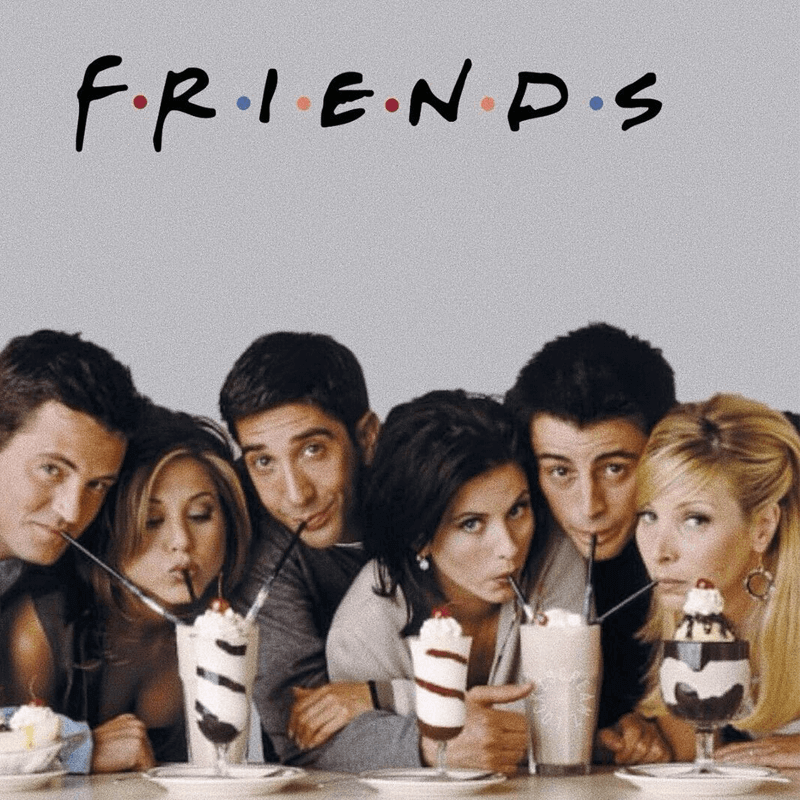
Friends:
Friends is a show most of us have already heard of, if not binged. The most popular sitcom on American television provides endless entertainment and a funny, ever-relevant way of improving your English.
The vocabulary used in the show gives us a sneak peek into the way of life of young adults and how they speak when hanging out with their friends, dealing with relationships and other relatable daily activities.
The episodes are pretty short, around 20 minutes, with varying storylines, making it easy to finish an episode in a sitting or tirelessly, watching multiple.

Modern Family:
Another sitcom recommendation makes this list because the language is easy to grasp, because of the simple narratives and the familiar, approachable characters you might run into someday.
In the case of Modern Family, since most of the cast members are children and most of the interactions are between them and their parents, the language remains relatively simple.
In addition, there’s also a Colombian native in the main cast who’s also new to English speakers, to whom many of the cultural nuances and expressions are explained. Hilarious with inbuilt English lessons.
Not too bad for homework!
Level – Intermediate

Stranger Things:
For all the English-learning sci-fi fans, look no further than Stranger Things.
This Netflix thriller set in the 80s is a must-watch for its incredible storyline, fantastic acting and gorgeous cinematography.
Besides, ESL learners can acquire a lot of vocabulary (some outdated but making a comeback and others pretty much prevalent today) related to supernatural events and anxiety-inducing, do-or-die situations.
As in the show Modern Family mentioned earlier, most of the cast are children, and while they use quite a bit of slang, the pace of speech is easy to follow, with visuals providing contextual clues to keep up with the story.

Nature Documentaries:
Many nature documentaries are readily available on streaming platforms.
One of my favourites is Planet Earth, narrated by David Attenborough. Attenborough is the primary reason for this show making it to this list. His eloquent way of speaking and British accent will help students discover their earth, wildlife and geography-related vocabulary.
It can also impart insights into environmental sciences, which have been significant in developing sustainable practices that are implemented worldwide.
Exposure to different accents is key to understanding the culture and understanding English speakers from all over the world.
Level – Advanced

The Crown:
Learning English from the Queen herself is a one-way ticket to understanding Britain’s royal family’s history.
The show takes place throughout the reign of Queen Elizabeth. The progress of time in this series also highlights the evolution of the English language. Most of the characters in the show speak with an Upper-Received-Pronunciation.
This, while not the most common English accent in the world, will provide an excellent opportunity for listening practices, as the words are clearly pronounced.
The show comes with a storyline that viewers are most likely to be familiar with, though much of the plot is dramatized.

Teen Dramas:
Many teen dramas on television or streaming platforms showcases the lives of young adults from all over the world. Shows like Heartbreak High and Derry Girls have casts with accents from Australia and Ireland, respectively.
The former, set in present-day Australia, can help students glean the Australian accent or, in the latter, the Irish accent. The plot revolves around school-going kids, and the story with high-strung students and rampant emotions makes for great listening exercises, even without subtitles.
Context is as crucial to learning the language as the language.
Finding what keeps you interested and engaged in what’s happening on screen is essential to staying motivated to keep watching shows and learning the language, subconsciously or otherwise. Whether it’s horror (Haunting of Hill House, The Walking Dead), historical dramas (Peaky Blinders), fantasy (Game of Thrones), romance (Modern Romance), or comedy (Bo Jack Horseman, Never Have I Ever), there is no dearth of options for those looking to venture into learning through entertainment.
These are just a few recommendations to get started; the algorithm will likely do the rest!
By Maya Dileep Kumar
Photos by: wallpaperaccess.com





Leave A Comment