

Planning to move to and work Spain in 2026? Whether you’re an EU citizen, a British national or coming from further afield, understanding Spain’s visa and employment rules is an essential first step.
Barcelona offers exciting opportunities for all, including aspiring English teachers, from language academies to private tutoring and online teaching. However, the legal requirements for living and working in Spain depend largely on your nationality and immigration status.

Here’s what you need to know before making the move:
-
EU Citizens: The Simplest Route to Working in Spain
If you hold citizenship from an EU country, such as Ireland, Germany, France or Italy, you can move to and work in Spain without applying for a work visa. Citizens of Iceland, Liechtenstein, Norway and Switzerland also benefit from freedom-of-movement arrangements.
What do you need to do?
- Bring valid identification: An EU national identity card or passport is sufficient for entry.
- Register your residence: If you intend to stay for more than three months, you must register with the Spanish authorities within three months of arriving, provided you meet the applicable residence conditions.
- Obtain your NIE: Your Número de Identidad de Extranjero is your foreigner identification number, used for employment, taxation and other administrative procedures. It is included on your EU registration certificate.
- Arrange Social Security registration: You’ll need a Social Security number and appropriate registration before starting employment.
For EU citizens, completing a TEFL qualification can be a straightforward route towards applying for jobs at Barcelona’s private language academies.
-
Non-EU Citizens: What Are Your Options in 2026?
If you’re from the UK, USA, Canada, Australia or another non-EU country, the process is different. You generally need permission to work before taking paid employment in Spain, unless you already hold a residence status that gives you working rights.
So how can you move to and work in Spain if you’re not blessed with passport privileges? Well, there are several potential pathways.
Option A: Employer-Sponsored Work Permit
One route is to secure employment with a Spanish employer willing and eligible to sponsor your work authorisation. Typically, the employer begins the application process and must demonstrate that the employment meets Spain’s immigration requirements.
Things to consider:
- You’ll generally need a qualifying employment contract.
- The employer must meet legal and financial requirements.
- Labour-market requirements or exemptions may apply.
- Once the authorisation is approved, you’ll normally apply for the relevant visa before travelling to Spain.
Although this option exists, obtaining sponsorship for entry-level language academy positions can be challenging. Researching employers and confirming whether they sponsor non-EU teachers is therefore particularly important.

Option B: Student Visa
Studying in Barcelona can be another possible pathway for non-EU nationals. Spain permits eligible international students to undertake certain employment alongside their studies, but the rules depend on the type of course and residence authorisation.
Under Spain’s immigration regulations, qualifying higher education and post-compulsory secondary education students may work up to 30 hours per week, provided employment remains compatible with their studies.
Other educational programmes may require separate work authorisation or may not provide employment rights.
Important: Enrolling in a short TEFL course or private language course does not automatically qualify you for a student visa or give you permission to teach. Before enrolling, check that your programme meets Spain’s immigration requirements and confirm the specific working rights associated with your intended student authorisation. Our options at TEFLBarcelona are tailored to the student visa requirements, so you can guarantee your course with us will smoothen the process of obtaining your visa.
Option C: Digital Nomad Visa
Already working or teaching English online? Spain’s Digital Nomad Visa may offer an alternative for established remote workers. This pathway is designed primarily for non-EU professionals working remotely for businesses or clients outside Spain.
Applicants must meet professional, financial and documentary requirements, including relevant qualifications or work experience. For 2026, the published minimum income requirement for a single applicant is €2,442 per month, subject to the applicable assessment rules.
Crucially, this visa is not a general permit to teach in Spanish language academies. Employees are restricted to working for employers outside Spain, while qualifying self-employed professionals may undertake limited Spanish-client work, subject to a 20% cap.
-
What About British Citizens After Brexit?
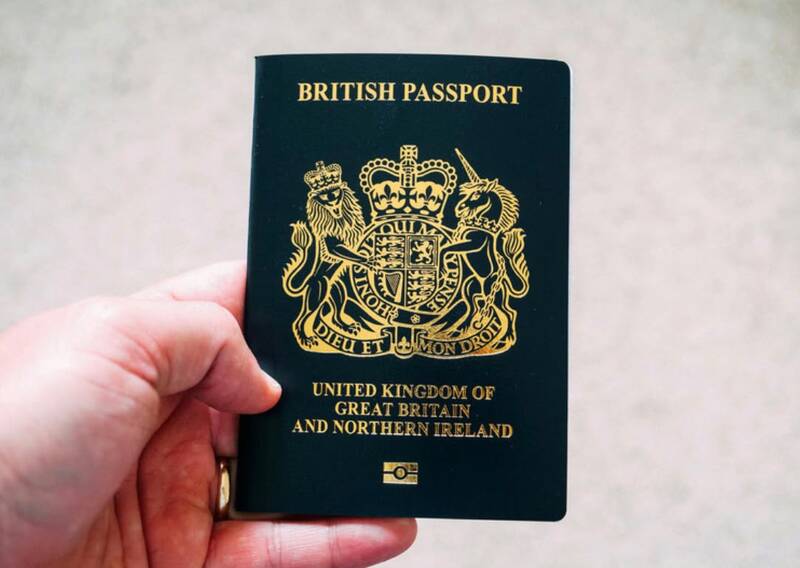
British citizens no longer automatically enjoy EU freedom-of-movement rights in Spain. For most UK nationals moving to Barcelona for the first time, the same general work-authorisation requirements apply as for other non-EU citizens.
British passport holders can normally visit Spain visa-free for up to 90 days in any rolling 180-day period, subject to Schengen entry conditions. However, visa-free entry does not give you permission to take a regular teaching job in Barcelona.
British citizens covered by the Brexit Withdrawal Agreement may have different rights if they were legally resident in Spain before the relevant deadline.
-
Your Pre-Departure Checklist
Before moving to Barcelona in 2026, make sure you’ve considered the following:
- Confirm your immigration route: Check whether you already have the right to work or need a specific authorisation.
- Research your employment options: Explore language academies, eligible private teaching opportunities and online tutoring.
- Organise your documents: Depending on your route, you may need qualifications, criminal record certificates, proof of funds, health insurance and officially translated documents.
- Plan your administration: Research NIE appointments, residence registration, Social Security and any relevant tax obligations.
- Build a financial cushion: Allow for accommodation deposits, living expenses and time spent searching for employment.
-
Start Your Teaching Journey in Barcelona
Barcelona remains an attractive destination for people looking to develop teaching skills, experience a new culture and build an international career. Whether you’re an EU citizen able to work freely or a non-EU applicant exploring a suitable visa pathway, planning ahead makes the transition easier. A practical TEFL course can help you develop the classroom confidence, teaching techniques and professional preparation needed to pursue opportunities in Spain and beyond.
Ready to take the first step? Explore our TEFL courses in Barcelona and start preparing for your international teaching journey.
Disclaimer: This guide reflects information available in October 2026 and is intended for general information only. Immigration requirements depend on individual circumstances and may change. Always confirm eligibility with the Spanish authorities or the relevant Spanish consulate before making travel, study or employment commitments.


Leave A Comment