

Teaching in Spain has been a dream for many teachers around the world for years. And who can blame them? The sunny skies, delicious tapas, friendly people, and relaxed lifestyle are just a few of the reasons this country keeps drawing in English teachers from every corner of the globe.
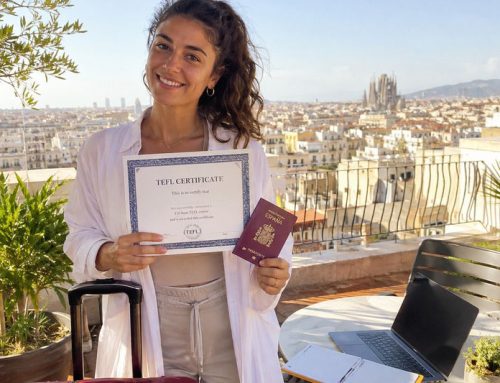
Maybe you’re one of the lucky ones. You trained with us, got your TEFL certificate, landed a teaching offer, and now it’s almost time to step into your first Spanish classroom. It’s exciting, but also a little nerve-racking.
What will your students be like? How do Spanish schools work? Will things be totally different from your home country?
Let’s walk through what you can realistically expect when you start teaching in Spain, from classroom etiquette to some cultural quirks that might take you by surprise.
The School Culture: Less Formal, More Familiar
One of the first things you’ll notice is how relaxed the general atmosphere can be. Spanish schools don’t usually feel stiff or overly formal. Teachers and students often call each other by their first names, and relationships between staff and students are usually friendly and personal.
In many classrooms, the teacher isn’t seen as an authority figure to be feared, but more like a mentor or guide. That doesn’t mean there’s no respect—it just means it’s shown differently. You might find students speaking to you casually, even joking with you early on. That’s part of how they connect.
At first, this friendliness can feel like a lack of discipline, but it’s more about cultural expectations. Spanish classrooms can be loud, but they’re also full of life. Students are often encouraged to speak their mind, and classroom discussions can get passionate.

Classroom Etiquette: The Do’s and Don’ts
There are a few unspoken rules in Spanish classrooms that are good to know:
- Be approachable, but clear. You don’t need to act like a boss, but you do need to set clear boundaries from day one. Students respond well to structure—but they won’t follow rules just because you said so. You’ll need to earn their attention.
- Don’t expect total silence. Spanish students, especially teenagers, tend to talk more during class than in many other countries. Small side conversations are common. Instead of trying to shut it all down, you’ll need to find ways to keep everyone engaged so they naturally stay focused.
- Punctuality is flexible. In Spain, being a few minutes late isn’t a big deal in most schools. You might find students strolling in five minutes after the bell—teachers too. Try not to take it personally or stress about it, unless it becomes a pattern that affects the class.
- Dress code? Not really. Most schools don’t have a formal dress code for teachers. Clean, casual clothes that look neat are usually fine. Just avoid shorts, flip-flops, or anything too revealing, and you’ll be good to go.
Your Students: Curious, Social, and Sometimes a Little Too Comfortable
Spanish students are known for being sociable, expressive, and fun. They enjoy interacting, and many of them love English classes because they feel different from the usual textbook-heavy subjects. You might become their favorite teacher just because you give them a chance to speak and be creative.
That said, students might also test boundaries, especially if you’re new or if they sense you’re unsure. It’s not personal—they just want to know what kind of teacher you are. Be warm, but firm. Don’t over-explain rules. Keep things clear and consistent.
Also, expect a lot of questions—sometimes off-topic. Spanish students are naturally curious and often eager to connect. You’ll hear questions like “Where are you from?”, “Do you have a boyfriend?”, “How old are you?” and other things that might feel a little personal. It’s just their way of starting a conversation.
The Teaching Style: You’re in Charge of the Energy
Unlike in some countries where the teacher talks and the students listen, Spanish classrooms often work better when lessons are interactive and fun. You’ll get the best results when you include group work, games, real-life topics, and student-led activities.
Grammar drills and worksheets can still be useful, but they won’t hold attention for long if you rely on them too much. Spanish students enjoy speaking and sharing their opinions, so use that to your advantage.
Also, don’t be surprised if you’re expected to fill in for other teachers, teach extra levels, or even join school events with little notice. Flexibility is part of the job in many schools and academies.
Parents and Admins: What They Expect
If you’re working in a private school or language academy, parents might have high expectations. They may want to know their child is progressing fast or that your classes are fun and practical. You might not have direct contact with them often, but your coordinator will likely pass along feedback.
In public schools, expectations may vary more, and the level of involvement from administration depends a lot on the individual school. Some are very organized. Others are a bit chaotic. Either way, things tend to move slower than in countries like the UK or US, and last-minute changes are common.
Be patient, and don’t expect everything to be perfectly planned out. If things feel disorganized at times, you’re not alone. Most teachers go through the same adjustment phase.

Holidays and Surprises: More Time Off Than You Think
Here’s the good news: Spain has a lot of holidays. Besides summer and Christmas, you’ll get national holidays, regional holidays, and even local town celebrations. Some months have more long weekends than school weeks. This gives you time to rest, travel, and recharge.
On the flip side, some schools might cancel classes last minute due to events or festivals, so be ready for sudden changes in your schedule. Flexibility really is your best friend in Spain.
Ready to Teach in Spain?
Teaching English in Spain is about more than just grammar and vocabulary. It’s about stepping into a different way of life. The culture is warm, the students are full of personality, and every day brings something new.
You won’t always have quiet classrooms, and you won’t always have a perfect lesson. But you’ll have stories, connections, and moments that remind you why you chose to teach in the first place.
So, take a deep breath, bring your best energy, and get ready for a classroom experience that’s as full of flavor as the country itself.




Leave A Comment